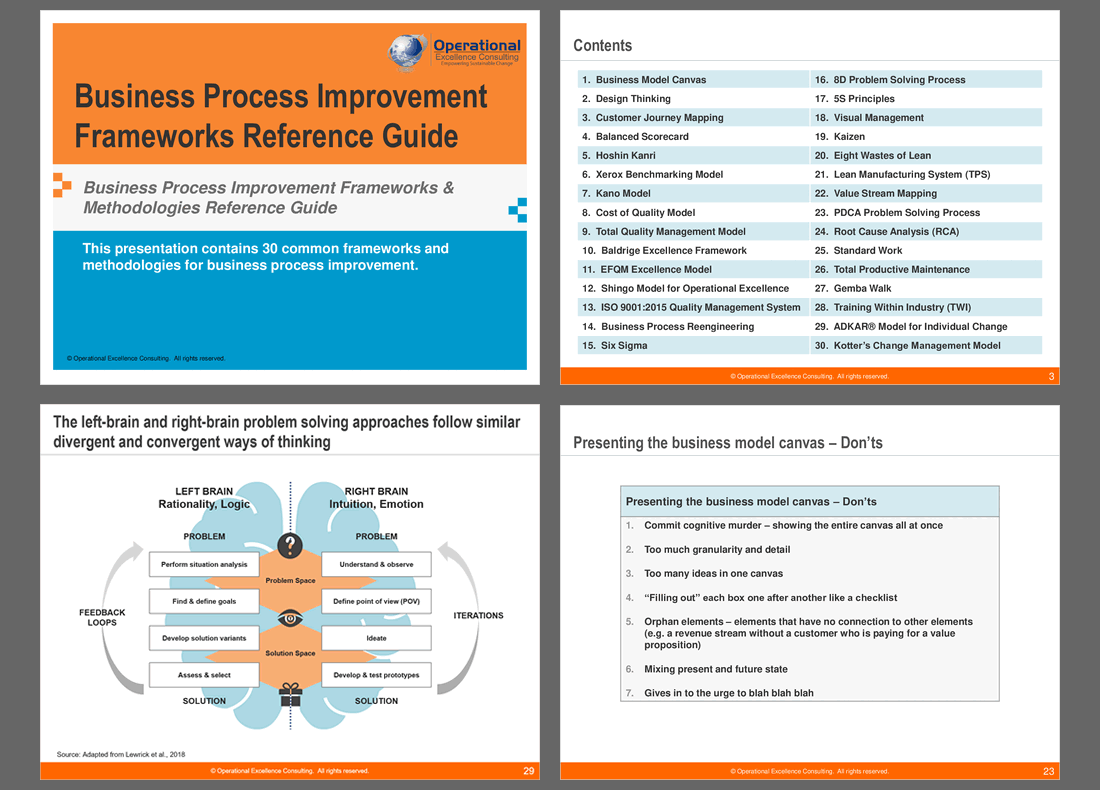

This comprehensive presentation covers 30 common frameworks and methodologies for business process improvement that are being used in the manufacturing, service and public sectors.

A detailed summary presented in the what-why-how format with key concepts and principles are provided for each business process improvement framework.
The frameworks in this deck span across Strategy, Organization & Governance, Marketing & Sales, Quality Management, Operations and Change Management.
INCLUDED FRAMEWORKS & METHODOLOGIES
1. Business Model Canvas
2. Design Thinking
3. Customer Journey Mapping
4. Balanced Scorecard
5. Hoshin Kanri
6. Xerox Benchmarking Model
7. Kano Model
8. Cost of Quality Model
9. Total Quality Management Model
10. Baldrige Excellence Framework
11. EFQM Excellence Model
12. Shingo Model for Operational Excellence
13. ISO 9001:2015 Quality Management System
14. Business Process Reengineering
15. Six Sigma
16. 8D Problem Solving Process
17. 5S Principles
18. Visual Management
19. Kaizen
20. Eight Wastes of Lean
21. Lean Manufacturing System (TPS)
22. Value Stream Mapping
23. PDCA Problem Solving Process
24. Root Cause Analysis (RCA)
25. Standard Work
26. Total Productive Maintenance
27. Gemba Walk
28. Training Within Industry (TWI)
29. ADKAR Model for Individual Change
30. Kotter's Change Management Model
The level of detail varies by framework, depending on the nature of the business process improvement model. Examples and templates are provided.
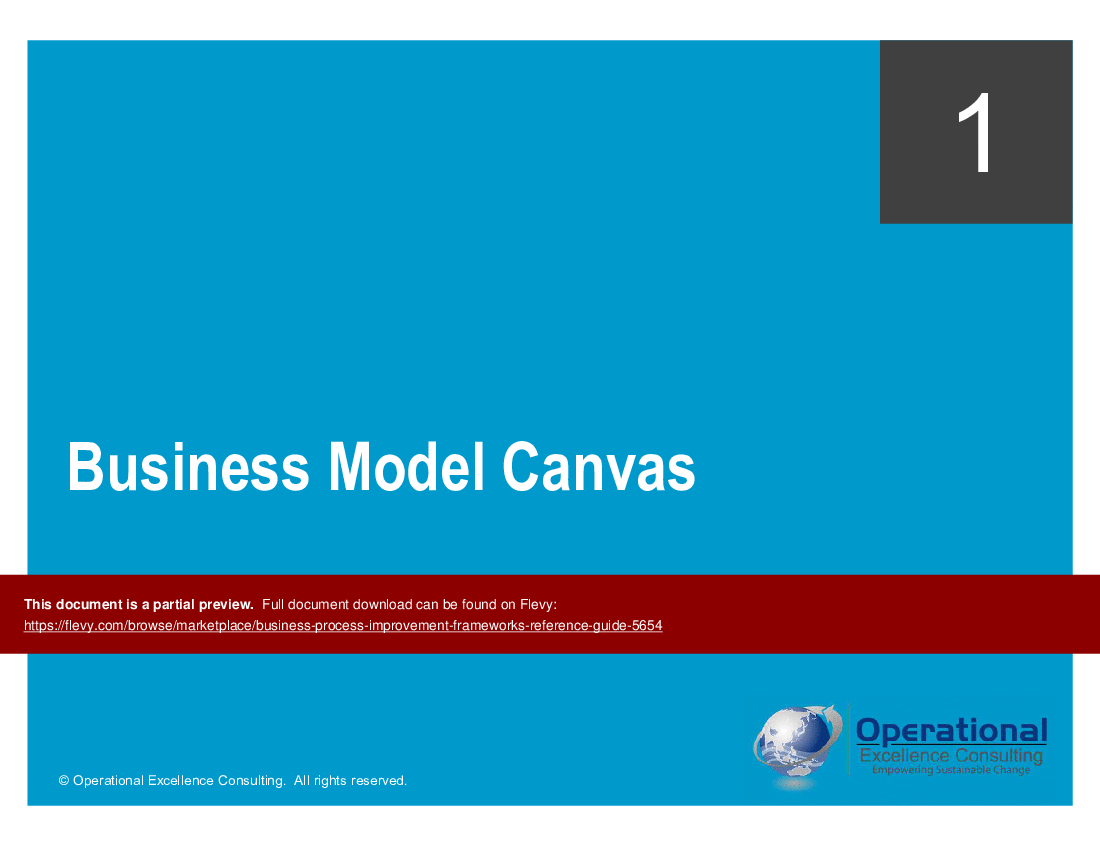
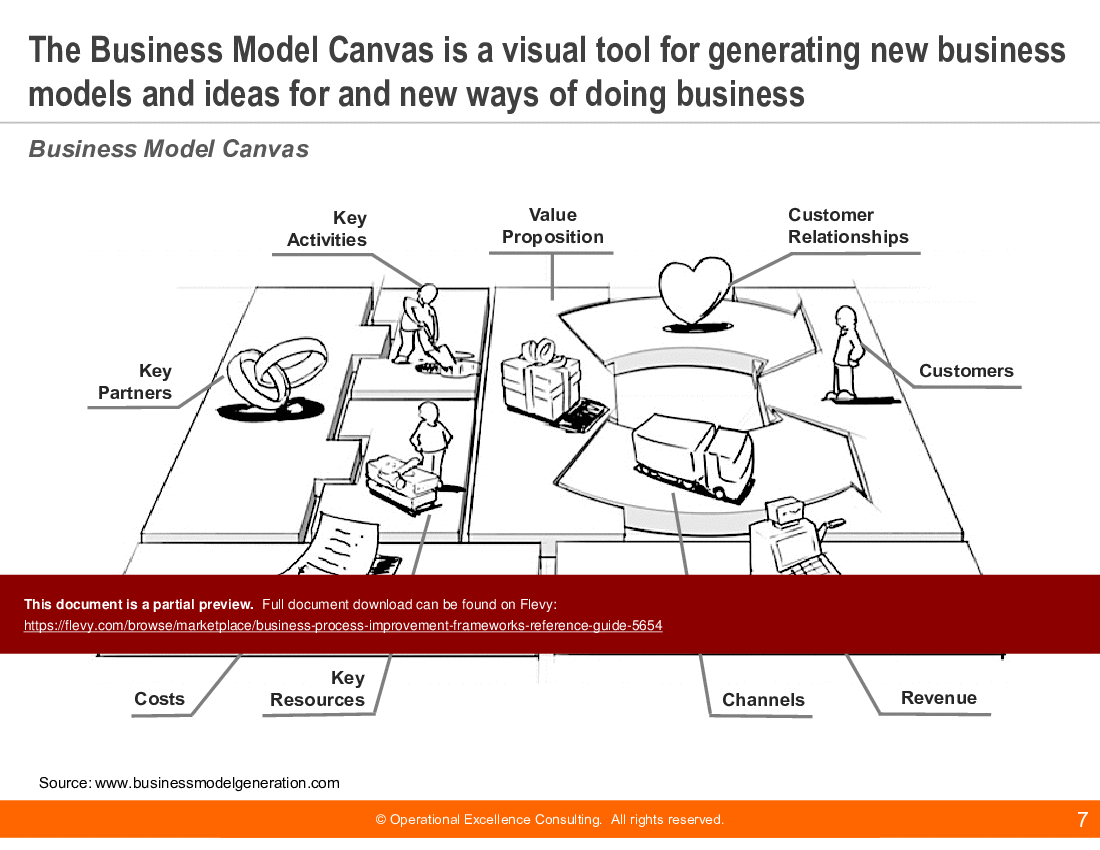
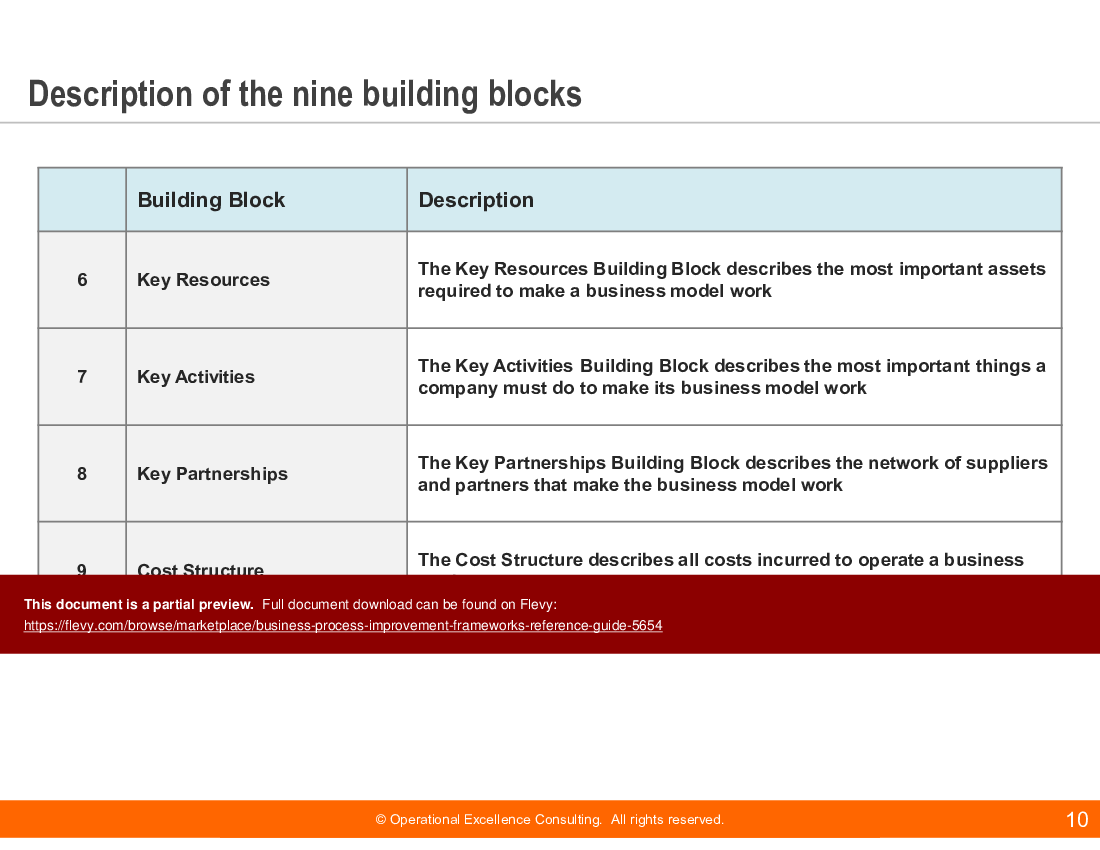
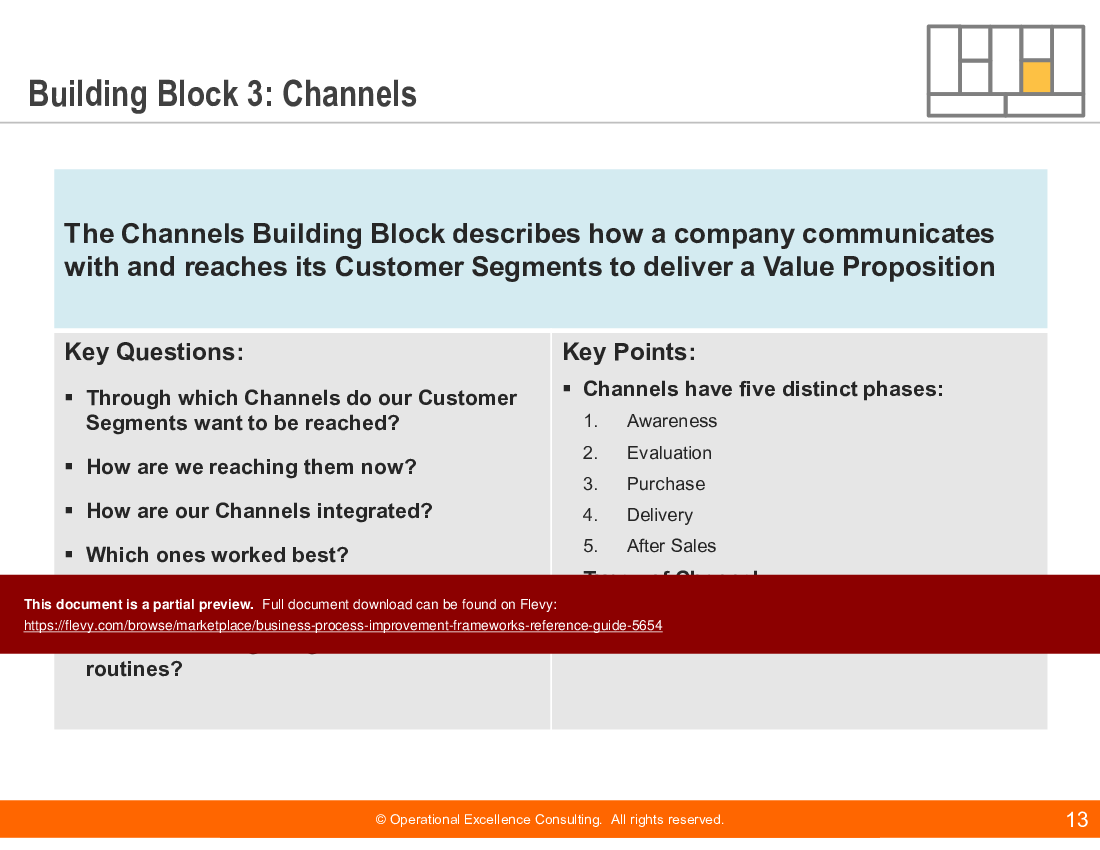
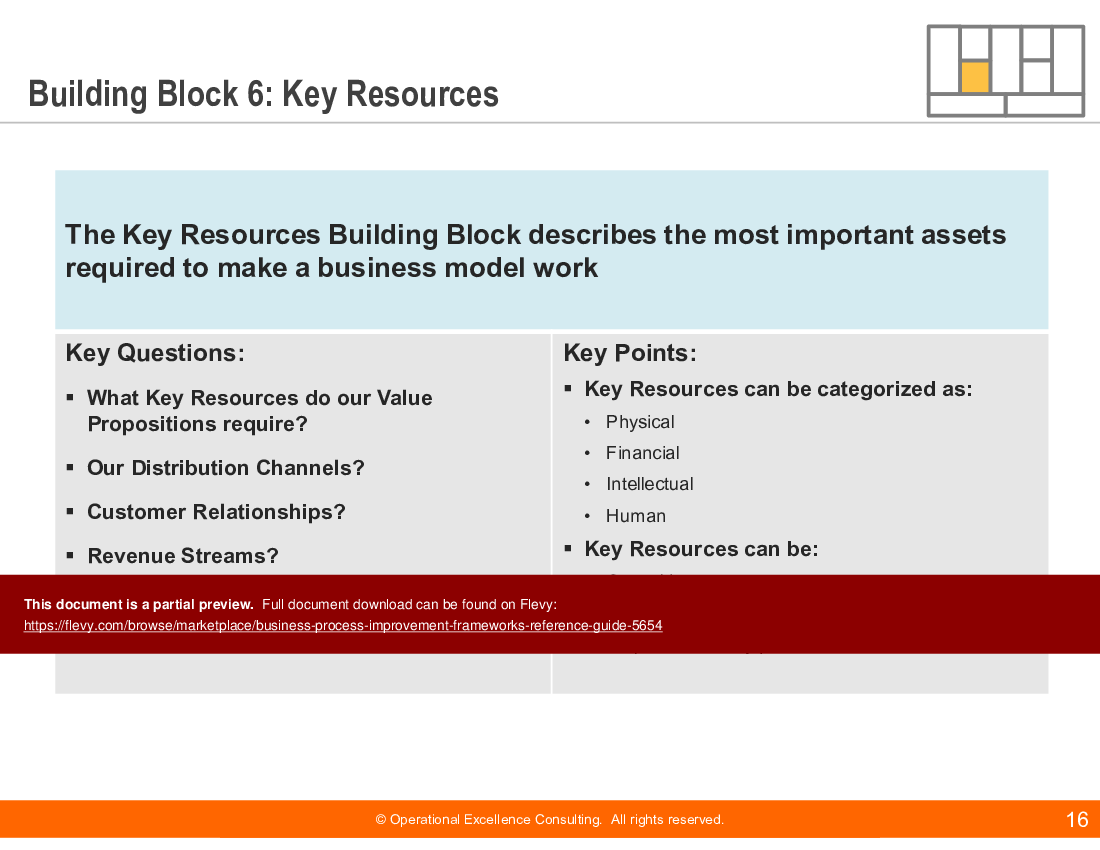
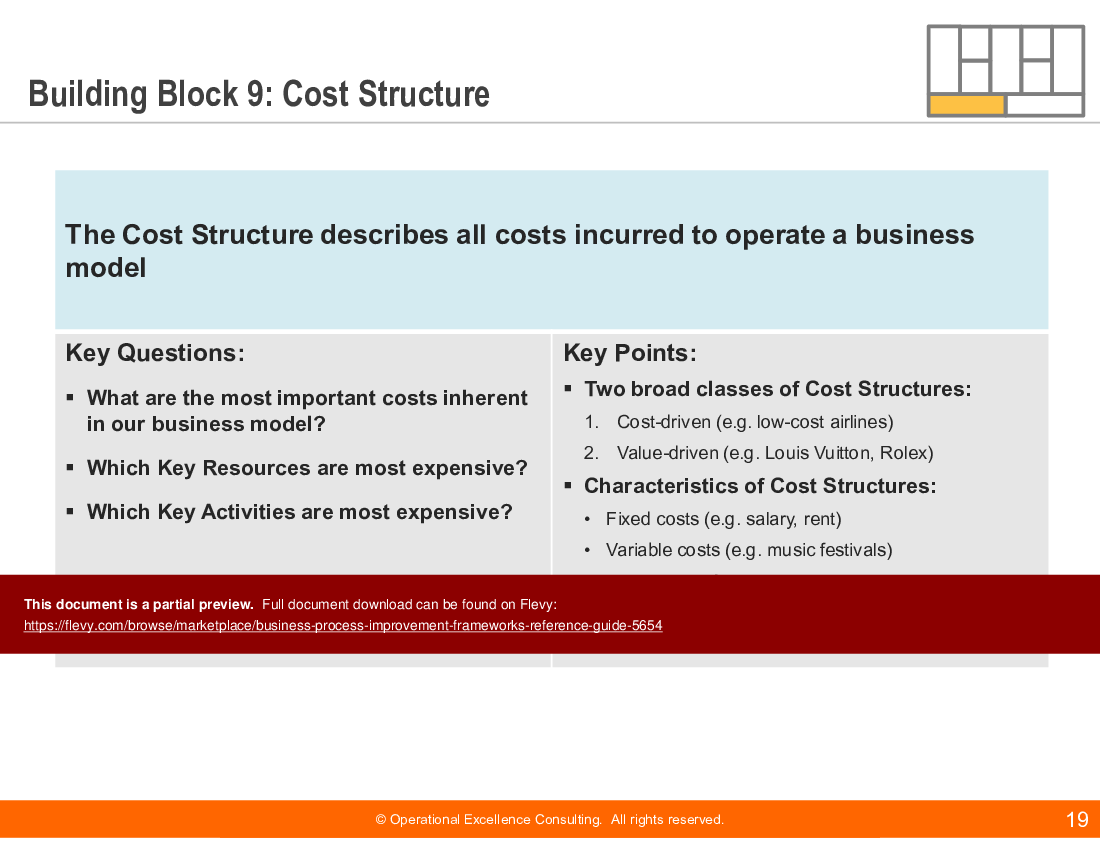
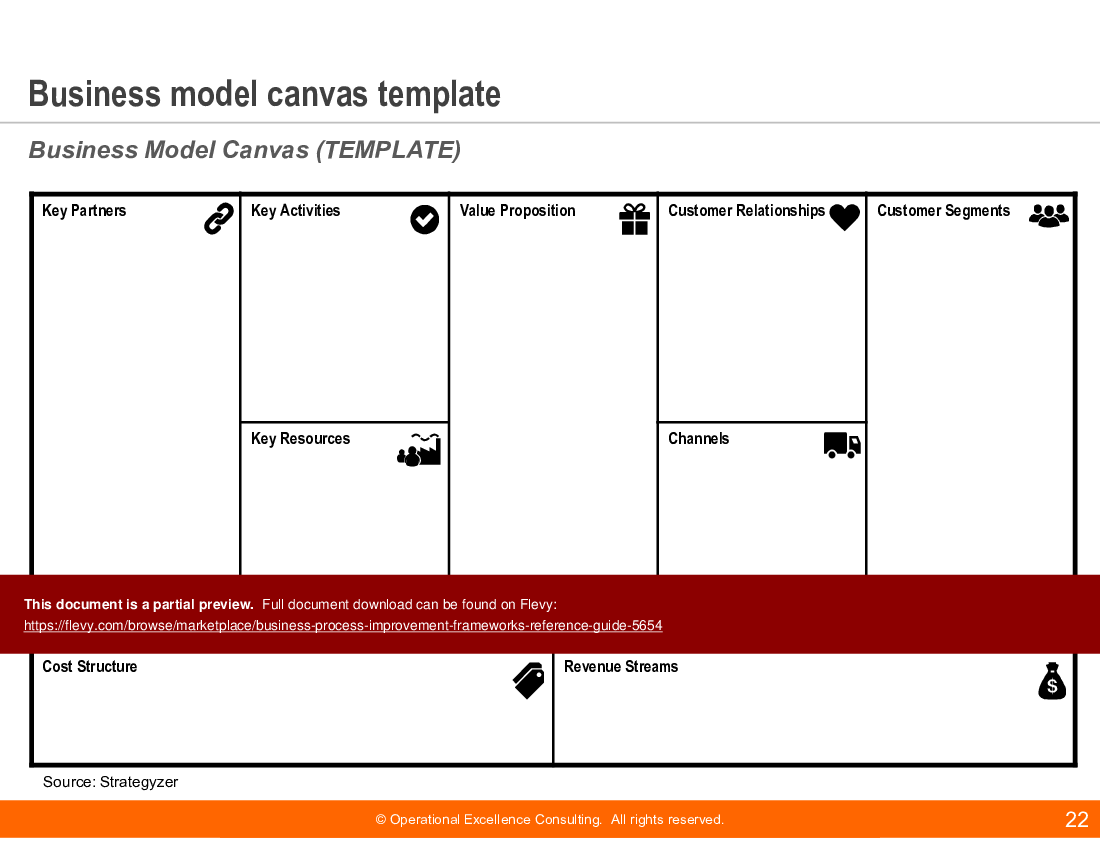
The Business Model Canvas section provides a visual tool for generating innovative business models. It breaks down the business model into nine essential building blocks, including Key Activities, Value Proposition, and Customer Relationships. This framework helps organizations understand the interdependencies within their business model and identify areas for improvement.
The Design Thinking section emphasizes a human-centered approach to problem-solving. It outlines the principles of empathizing with users, defining problems, ideating solutions, prototyping, and testing. This iterative process encourages creativity and collaboration, enabling organizations to develop innovative solutions that meet user needs effectively.
Got a question about the product? Email us at support@flevy.com or ask the author directly by using the "Ask the Author a Question" form. If you cannot view the preview above this document description, go here to view the large preview instead.
Executive Summary
The Business Process Improvement Frameworks Reference Guide is a comprehensive resource designed to enhance operational excellence through various methodologies. Created by a seasoned expert in business process improvement, this presentation offers insights into 30 frameworks including Six Sigma, Lean, and the Balanced Scorecard. Users will gain the ability to implement these frameworks effectively, leading to improved efficiency, reduced costs, and increased customer satisfaction.
Who This Is For and When to Use
• Corporate executives seeking to enhance operational performance
• Integration leaders responsible for process optimization
• Consultants advising organizations on best practices in process improvement
• Change management teams implementing new methodologies
Best-fit moments to use this deck:
• During strategic planning sessions to identify improvement opportunities
• When launching new initiatives aimed at operational efficiency
• In training sessions for teams on process improvement methodologies
• For workshops aimed at fostering a culture of continuous improvement
Learning Objectives
• Define key business process improvement frameworks and their applications
• Build a customized implementation plan for selected frameworks
• Establish metrics for measuring the success of process improvements
• Identify areas of waste and inefficiency within current processes
• Develop strategies for engaging teams in continuous improvement efforts
• Analyze the impact of implemented frameworks on organizational performance
Table of Contents
• Business Model Canvas (page 3)
• Design Thinking (page 16)
• Customer Journey Mapping (page 26)
• Balanced Scorecard (page 44)
• Hoshin Kanri (page 60)
• Xerox Benchmarking Model (page 70)
• Kano Model (page 80)
• Cost of Quality Model (page 90)
• Total Quality Management Model (page 100)
• Baldrige Excellence Framework (page 110)
• EFQM Excellence Model (page 120)
• Shingo Model for Operational Excellence (page 130)
• ISO 9001:2015 Quality Management System (page 140)
• Business Process Reengineering (page 150)
• Six Sigma (page 160)
• 8D Problem Solving Process (page 170)
• 5S Principles (page 180)
• Visual Management (page 190)
• Kaizen (page 200)
• Eight Wastes of Lean (page 210)
• Lean Manufacturing System (TPS) (page 220)
• Value Stream Mapping (page 230)
• PDCA Problem Solving Process (page 240)
• Root Cause Analysis (RCA) (page 250)
• Standard Work (page 260)
• Total Productive Maintenance (TPM) (page 270)
• Gemba Walk (page 280)
• Training Within Industry (TWI) (page 290)
• ADKAR® Model (page 300)
• Kotter’s Eight Phases of Change (page 310)
Primary Topics Covered
• Business Model Canvas - A strategic management tool for developing new business models and visualizing existing ones.
• Design Thinking - A problem-solving framework that emphasizes empathy and user-centered design.
• Customer Journey Mapping - A method for visualizing customer interactions to enhance their experience.
• Balanced Scorecard - A performance management tool that aligns business activities to the vision and strategy of the organization.
• Hoshin Kanri - A strategic planning process that aligns goals across an organization.
• Xerox Benchmarking Model - A framework for identifying best practices to improve performance.
• Kano Model - A technique for prioritizing product features based on customer satisfaction.
• Cost of Quality Model - A methodology for assessing the total cost of ensuring product quality.
• Total Quality Management Model - A management approach focused on long-term success through customer satisfaction.
• Baldrige Excellence Framework - A framework for performance excellence that provides criteria for assessing organizational performance.
• EFQM Excellence Model - A framework for organizational management that focuses on achieving sustainable excellence.
• Shingo Model for Operational Excellence - A model that emphasizes principles and systems for achieving operational excellence.
• ISO 9001:2015 Quality Management System - An international standard for quality management systems.
• Business Process Reengineering - A methodology for redesigning business processes to achieve significant improvements.
• Six Sigma - A data-driven approach for eliminating defects in any process.
• 8D Problem Solving Process - A structured approach for solving problems and preventing their recurrence.
• 5S Principles - A methodology for workplace organization and standardization.
• Visual Management - Techniques for enhancing communication and efficiency through visual cues.
• Kaizen - A philosophy of continuous improvement involving all employees.
• Eight Wastes of Lean - A framework for identifying and eliminating waste in processes.
• Lean Manufacturing System (TPS) - A production system that emphasizes efficiency and waste reduction.
• Value Stream Mapping - A tool for visualizing and improving the flow of materials and information.
• PDCA Problem Solving Process - A cyclical approach for continuous improvement.
• Root Cause Analysis (RCA) - A method for identifying the underlying causes of problems.
• Standard Work - Documentation of best practices for consistency and efficiency.
• Total Productive Maintenance (TPM) - A holistic approach to equipment maintenance aimed at maximizing productivity.
• Gemba Walk - A practice of observing work processes to identify opportunities for improvement.
• Training Within Industry (TWI) - A program for developing a skilled workforce through standardized training.
• ADKAR® Model - A framework for managing change at the individual level.
• Kotter’s Eight Phases of Change - A systematic approach for leading organizational change.
Deliverables, Templates, and Tools
• Business Model Canvas template for visualizing business models.
• Design Thinking framework for problem-solving.
• Customer Journey Mapping template for visualizing customer interactions.
• Balanced Scorecard template for performance management.
• Hoshin Kanri planning tools for strategic alignment.
• Benchmarking templates for performance comparison.
• Kano Model analysis tools for prioritizing customer needs.
• Cost of Quality assessment templates for evaluating quality costs.
• TQM implementation guides for quality management.
• Baldrige and EFQM self-assessment tools for organizational performance.
• Shingo Model assessment criteria for operational excellence.
• ISO 9001:2015 compliance checklists for quality management systems.
• BPR frameworks for process redesign.
• Six Sigma project charters for quality improvement initiatives.
• 8D report templates for problem-solving documentation.
• 5S audit checklists for workplace organization.
• Visual Management tools for enhancing communication.
• Kaizen event planning templates for continuous improvement activities.
• Lean Manufacturing implementation guides for efficiency.
• Value Stream Mapping templates for process analysis.
• PDCA cycle templates for structured problem-solving.
• RCA tools for root cause identification.
• Standard Work documentation templates for process consistency.
• TPM implementation guides for maintenance management.
• Gemba Walk observation checklists for process evaluation.
• TWI training materials for workforce development.
• ADKAR® change management templates for individual transitions.
• Kotter’s change management framework for leading change initiatives.
Slide Highlights
• Overview of the Business Model Canvas illustrating its nine building blocks.
• Visual representation of the Design Thinking process emphasizing empathy and ideation.
• Customer Journey Mapping example showcasing customer interactions and pain points.
• Balanced Scorecard framework linking strategic objectives to performance metrics.
• Hoshin Kanri alignment chart illustrating goal-setting across organizational levels.
• Xerox Benchmarking Model steps for identifying best practices.
• Kano Model graph depicting customer satisfaction based on feature fulfillment.
• Cost of Quality iceberg illustrating visible and hidden costs of poor quality.
• Total Quality Management model highlighting the importance of customer focus.
• Baldrige Excellence Framework overview emphasizing a holistic approach to performance.
• EFQM Excellence Model components illustrating organizational excellence principles.
• Shingo Model for Operational Excellence emphasizing cultural and process alignment.
• ISO 9001:2015 key clauses outlining the requirements for quality management systems.
• Business Process Reengineering phases for radical process redesign.
• Six Sigma DMAIC roadmap illustrating the structured approach to process improvement.
• 8D Problem Solving Process steps for systematic issue resolution.
• 5S principles showcasing workplace organization techniques.
• Visual Management examples demonstrating effective communication methods.
• Kaizen activities illustrating continuous improvement initiatives.
• Lean Manufacturing System components for optimizing production efficiency.
• Value Stream Mapping process highlighting flow and waste identification.
• PDCA cycle steps for iterative problem-solving.
• Root Cause Analysis tools for identifying underlying issues.
• Standard Work documentation emphasizing consistency in processes.
• Total Productive Maintenance framework for maximizing equipment effectiveness.
• Gemba Walk guidelines for observing and improving work processes.
• Training Within Industry programs for workforce skill development.
• ADKAR® Model outcomes for successful change management.
• Kotter’s Eight Phases of Change steps for leading effective organizational change.
Potential Workshop Agenda
Introduction to Business Process Improvement Frameworks (30 minutes)
• Overview of frameworks and methodologies
• Importance of process improvement
Framework Deep Dive Sessions (2 hours each)
• Business Model Canvas
• Design Thinking
• Customer Journey Mapping
• Balanced Scorecard
• Hoshin Kanri
Hands-On Group Activities (1 hour each)
• Creating a Business Model Canvas
• Developing a Customer Journey Map
• Conducting a Gemba Walk
Wrap-Up and Q&A Session (30 minutes)
• Key takeaways and next steps
• Open floor for questions
Customization Guidance
• Tailor the frameworks to fit specific organizational needs and culture.
• Adjust templates to reflect internal terminology and processes.
• Incorporate relevant metrics and KPIs aligned with organizational goals.
• Modify training materials to address specific employee skill levels and roles.
Secondary Topics Covered
• Change Management Strategies
• Employee Engagement Techniques
• Performance Measurement Systems
• Continuous Improvement Practices
• Quality Assurance Protocols
• Process Mapping Techniques
• Lean Six Sigma Integration
• Risk Management Frameworks
• Stakeholder Communication Plans
• Project Management Methodologies
FAQ
What are business process improvement frameworks?
Business process improvement frameworks are structured methodologies designed to enhance operational efficiency, reduce waste, and improve quality across various processes within an organization.
How can I implement these frameworks in my organization?
Begin by assessing your current processes, identifying areas for improvement, and selecting the appropriate framework that aligns with your organizational goals. Engage stakeholders and provide training to ensure successful implementation.
What is the significance of the Business Model Canvas?
The Business Model Canvas is a strategic tool that helps organizations visualize and develop their business models, enabling them to identify value propositions, customer segments, and key resources.
How does Design Thinking contribute to process improvement?
Design Thinking fosters a user-centered approach to problem-solving, encouraging teams to empathize with customers, ideate innovative solutions, and prototype effectively to enhance overall customer experience.
What is the role of the Balanced Scorecard in performance management?
The Balanced Scorecard provides a framework for translating an organization’s strategic objectives into measurable performance metrics across financial, customer, internal process, and learning and growth perspectives.
How can I measure the success of implemented frameworks?
Establish clear KPIs aligned with each framework, monitor performance regularly, and conduct reviews to assess progress and make necessary adjustments.
What is the purpose of Root Cause Analysis?
Root Cause Analysis aims to identify the underlying causes of problems to prevent recurrence, ensuring that solutions address the root issues rather than just symptoms.
What are the benefits of using the 8D Problem Solving Process?
The 8D Problem Solving Process provides a structured approach to identifying, analyzing, and resolving issues, promoting teamwork and ensuring that corrective actions are effective and sustainable.
How does the 5S methodology enhance workplace organization?
The 5S methodology promotes a systematic approach to workplace organization, leading to improved efficiency, reduced waste, and enhanced safety by ensuring that everything has a designated place and is easily accessible.
What is the significance of Gemba Walks in process improvement?
Gemba Walks allow leaders to observe processes in action, engage with employees, and identify opportunities for improvement directly at the location where work is performed.
Glossary
• Business Process Improvement - A systematic approach to enhancing organizational processes for better efficiency and quality.
• Lean - A management philosophy focused on reducing waste and improving flow in processes.
• Six Sigma - A data-driven methodology for eliminating defects and improving quality.
• Kaizen - A philosophy of continuous improvement involving all employees.
• Gemba - The actual place where work is done; emphasizes observation and engagement.
• Value Stream Mapping - A visual tool for analyzing and improving the flow of materials and information.
• Root Cause Analysis - A method for identifying the underlying causes of problems.
• 8D Problem Solving - A structured approach for resolving issues and preventing recurrence.
• 5S - A workplace organization method focusing on Sort, Set in order, Shine, Standardize, and Sustain.
• Total Quality Management (TQM) - A management approach focused on long-term success through customer satisfaction.
• ADKAR® Model - A framework for managing change at the individual level.
• Balanced Scorecard - A performance management tool that aligns business activities to the vision and strategy of the organization.
• Hoshin Kanri - A strategic planning process that aligns goals across an organization.
• Shingo Model - A framework for achieving operational excellence through cultural change and continuous improvement.
• ISO 9001:2015 - An international standard for quality management systems.
• Business Process Reengineering - A methodology for redesigning business processes to achieve significant improvements.
• Training Within Industry (TWI) - A program for developing a skilled workforce through standardized training.
• Xerox Benchmarking Model - A framework for identifying best practices
Source: Best Practices in Business Framework PowerPoint Diagrams, Process Improvement PowerPoint Slides: Business Process Improvement Frameworks Reference Guide PowerPoint (PPTX) Presentation Slide Deck, Operational Excellence Consulting
This document is available as part of the following discounted bundle(s):
Save %!
Business Frameworks Reference Guide
This bundle contains 4 total documents. See all the documents to the right.
|
Receive our FREE Primer on Lean Management
This 32-page presentation from Operational Excellence Consulting explains the Lean Management philosophy, based on the Toyota Production System (TPS). Learn to eliminate waste. |